Eyebrow Transplant in Vancouver
Small details. A defining feature. Eyebrow transplantation uses your own hair follicles to add growing hair to sparse areas and reshape the brow, with a design built around your facial proportions and goals.
Dr. Babak Nouhi personally maps your brow design, performs donor harvesting, and creates recipient sites. Particular attention is given to hair selection, placement angle, and the changes in direction that shape each brow.
- $8 / graft Cost
- 2–4 hrs Typical procedure time
- 3–5 days Typical time away from work
- ~12 mo Result assessment
Timing varies with the procedure, individual healing, and occupation.
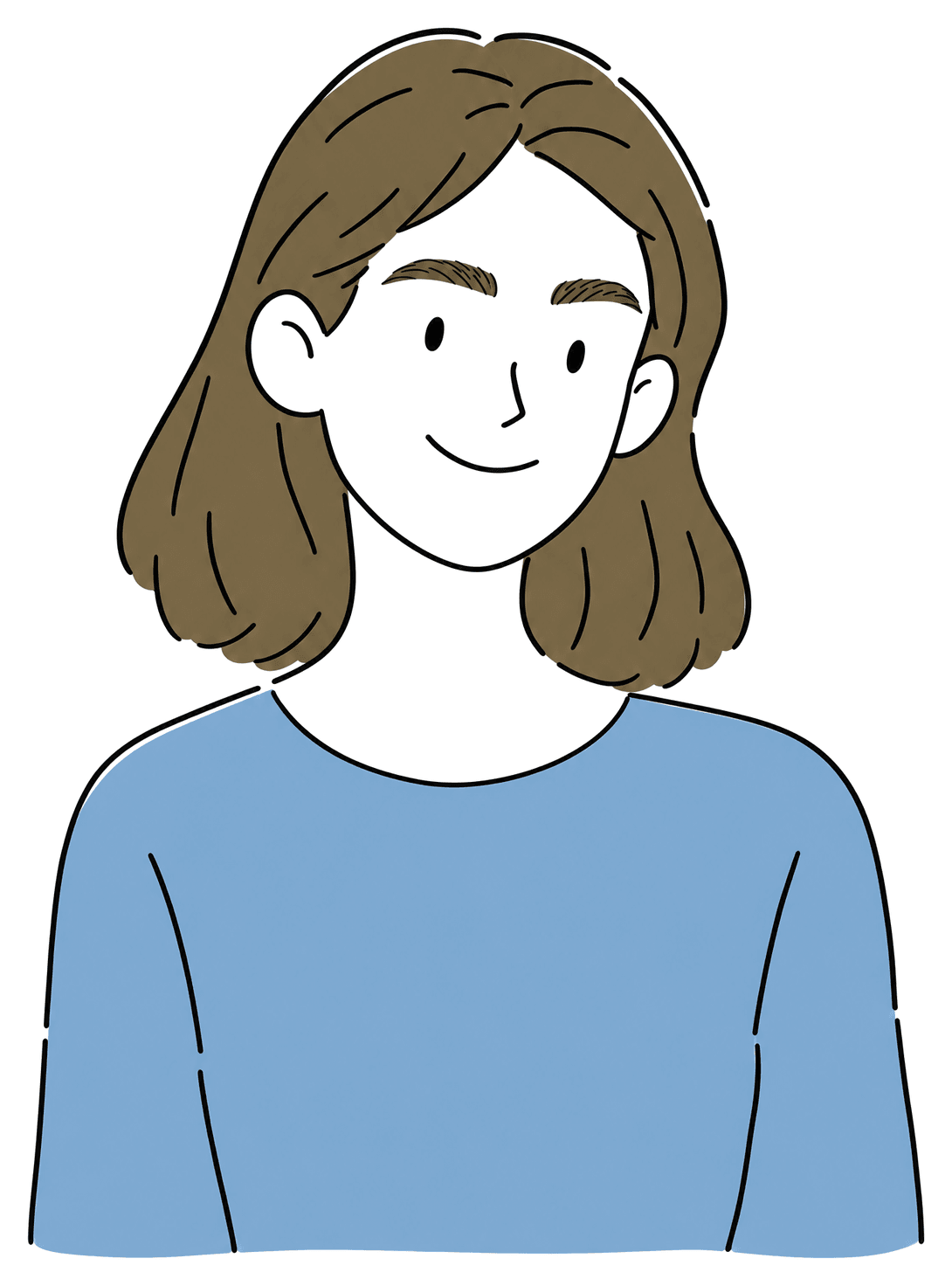
What Is an Eyebrow Transplant?
Single hairs, placed one at a time
An eyebrow transplant relocates your own hair follicles—usually single-hair units taken from a carefully selected donor area at the back of your scalp—into the brow, where surviving grafts can provide long-lasting growth. It is the same surgical principle as a hair transplant, executed at a much finer scale.
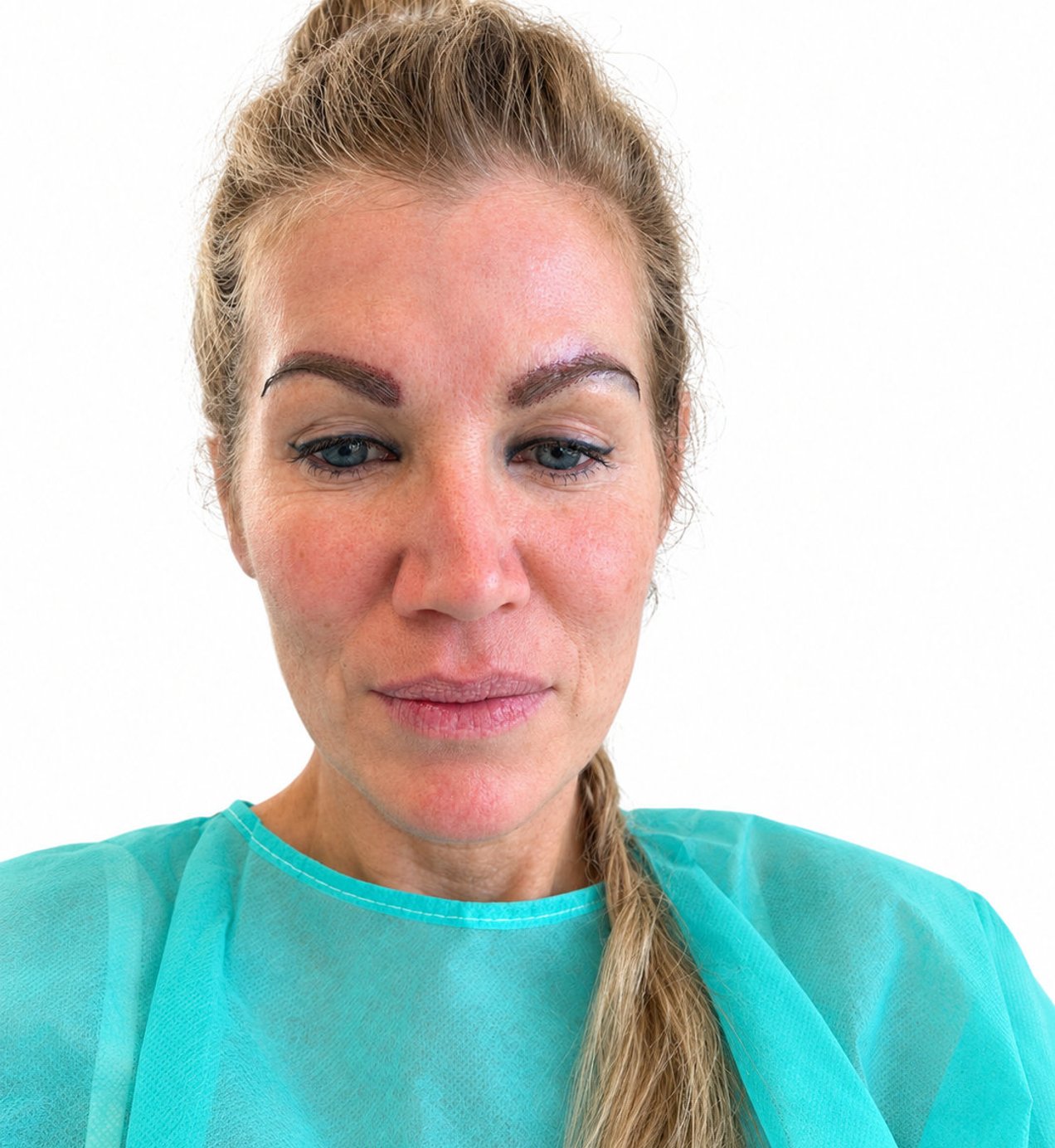
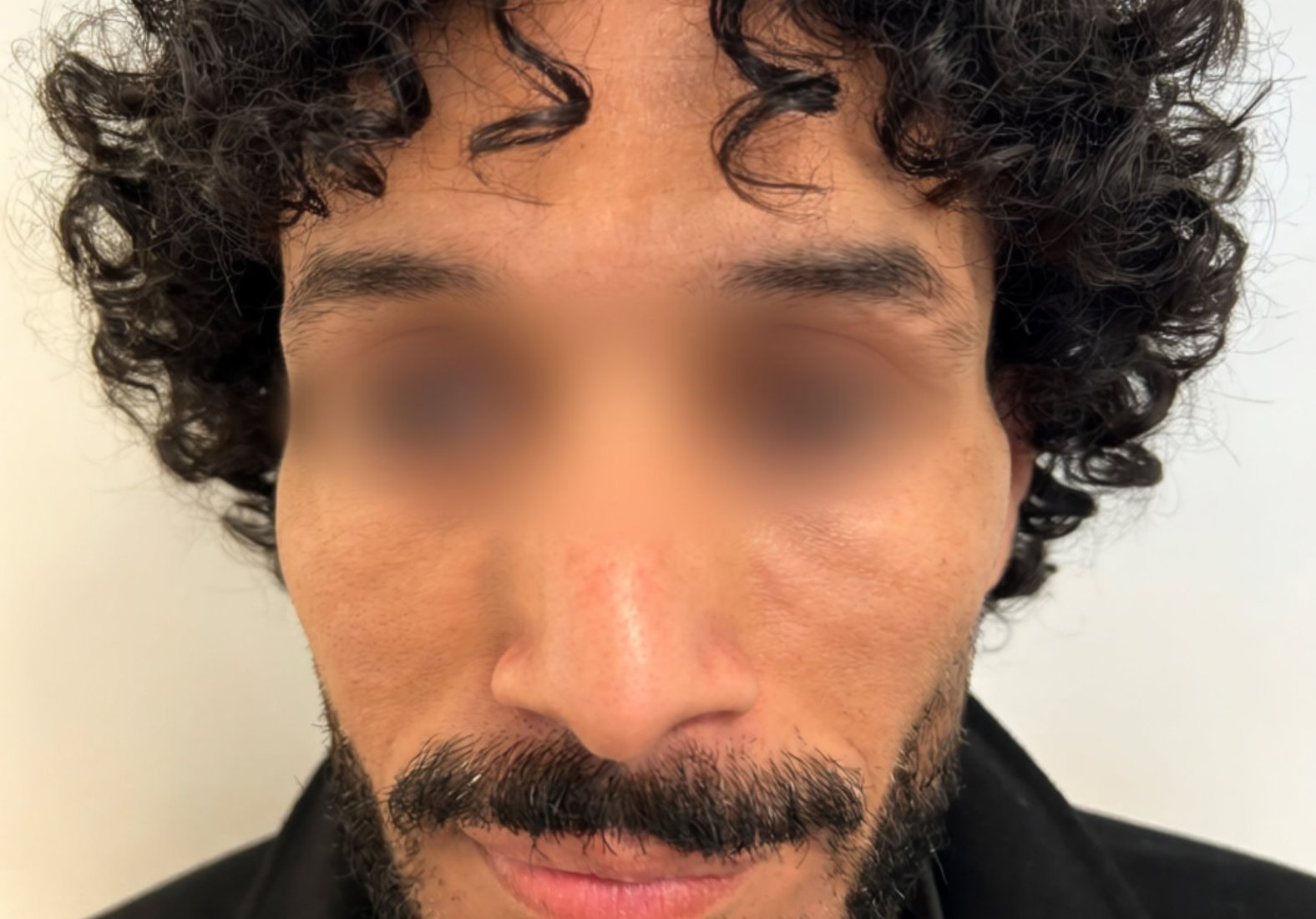
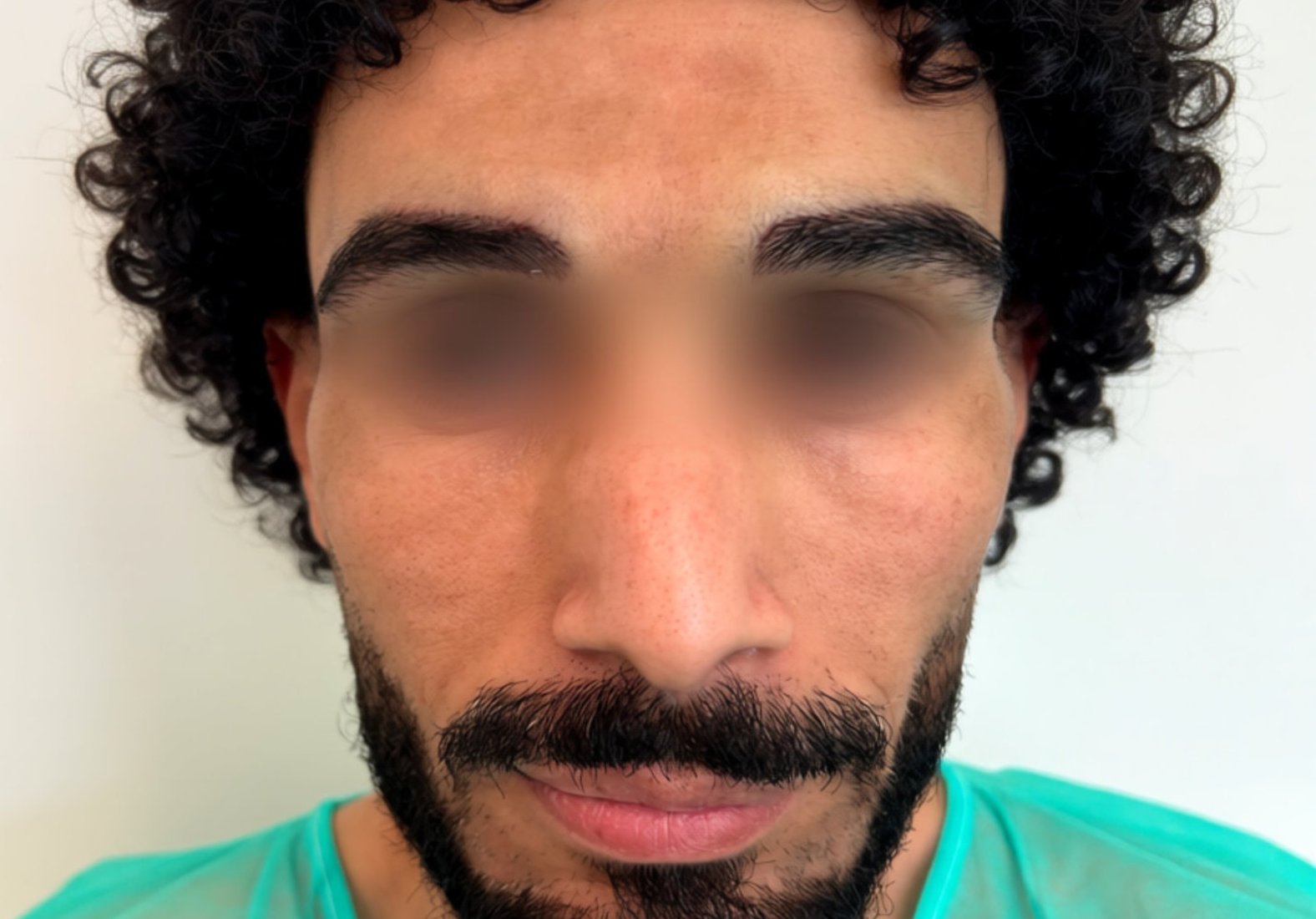
What makes brows difficult is geometry. Scalp hair leaves the skin at a steep angle; brow hair lies almost flat against it. The direction changes as you move across the brow too—hairs sweep upward at the head, fan outward through the body, and angle downward toward the tail. Placement angle, natural curl, and hair texture all influence how transplanted hairs sit within the brow.
Dr. Nouhi personally creates the recipient sites, planning their angle, direction, and spacing. Grafts are placed individually under his supervision, following the brow design agreed with you.
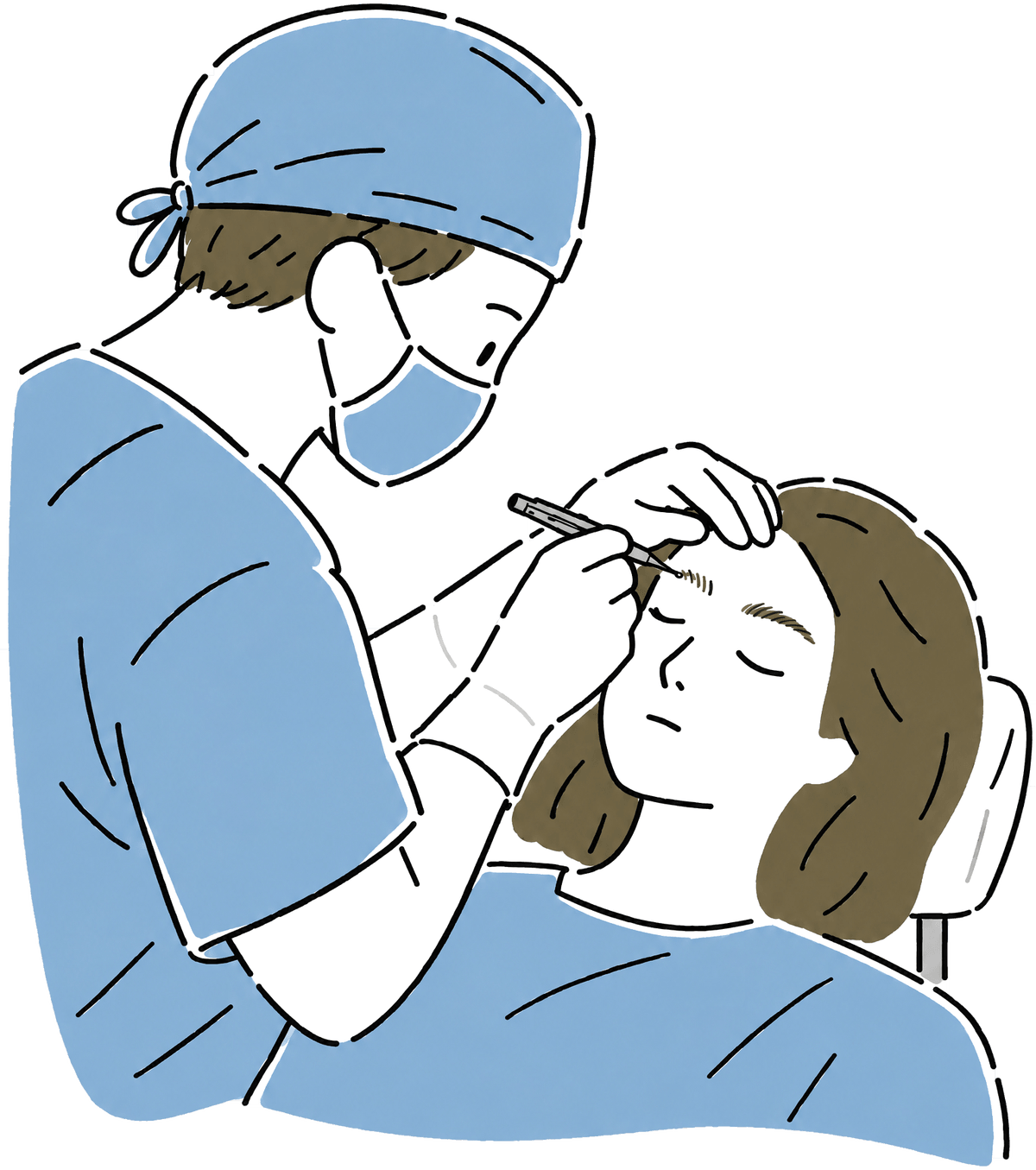
How an Eyebrow Transplant Works
Designed with you. Planned hair by hair. Treatment typically takes two to four hours under local anesthesia, although larger or more complex cases can take longer. Patients generally return home the same day.

01 Brow Design & Mapping
Dr. Nouhi draws the new brows directly onto your skin and refines the shape with you in the mirror—where each brow starts, where it peaks, and where the tail ends. Nothing moves until you are happy with the outline.
02 Local Anesthesia
The brows and donor area are numbed with local anesthesia. Brief discomfort can occur during the injections, and your comfort is monitored throughout. Additional anesthetic can be given when needed.
03 Donor Harvest
Dr. Nouhi selects and harvests donor follicles with attention to hair calibre and suitability for the brow. The amount of trimming and potential visibility of the donor area are discussed before treatment.
04 Single-Hair Sorting
Every graft is checked under a microscope and trimmed down to a single hair. Multi-hair units that would look tufted in a brow are split or set aside, and the grafts wait in a chilled holding solution.
05 Site Creation & Placement
Dr. Nouhi creates the recipient sites with attention to angle, direction, and spacing. Prepared single-hair grafts are placed individually under his supervision, following the agreed brow design.
Home the Same Day
You receive written aftercare instructions and a follow-up plan. New growth often begins around three to four months, with results generally assessed around twelve months or later. Early postoperative appearance does not show final growth. See the recovery timeline
Why Eyebrows Thin or Disappear
Understand the cause before choosing the treatment. Eyebrow loss can follow repeated grooming, injury, an underlying medical condition, or a naturally sparse growth pattern. Dr. Nouhi assesses whether medical treatment or further investigation should come before surgery.
Years of Over-Plucking
Repeated plucking, waxing, or threading can contribute to lasting thinning. Where follicles have been permanently lost, transplantation may be considered after assessment.
Alopecia & Autoimmune Conditions
Alopecia areata and scarring hair-loss conditions require careful assessment. Surgery may be unsuitable, particularly with active disease. Even apparent stability does not eliminate the risk of recurrence or loss of transplanted hair.
Scars, Burns & Trauma
Transplantation may be possible in selected scars. Tissue quality and blood supply affect planning, and growth can be less predictable. A test area or staged approach may be recommended.
Thyroid, Hormones & Genetics
Thyroid disease and other medical conditions can contribute to eyebrow loss, while some people naturally have sparse brows. Identifying a treatable cause helps determine the appropriate next step.

Your Eyebrow Recovery Timeline
- Days 1–3 Rest at home
Swelling & Tiny Crusts
Mild swelling around the brows is normal, and a tiny crust forms at each graft. Leave the brows untouched while they settle.
- Days 4–7 Back to work
Crusts Clear, Redness Fades
Visible signs of treatment begin to settle, although redness or crusting can persist longer. Return to work depends on your recovery and comfort with the appearance of the treated area.
- Weeks 2–4 Resting
The Shedding Phase
The transplanted hairs shed. It is expected, and the follicles stay in place beneath the skin.
- Months 4–6 Growing
Regrowth Begins
New hairs may begin to emerge. Early growth can be uneven, and direction or texture may require grooming.
- Months 6–9 Filling in
Shape Takes Form
Growth continues to develop. Trimming and styling help manage the length and appearance of the transplanted hairs.
- ~12 Months Final result
Reviewing the Outcome
Density, shape, and growth are assessed. Some results take longer to develop, and additional grafting may be discussed where appropriate.
Eyebrow Transplant Cost in Vancouver
Eyebrow transplantation costs $8 per graft. For example, 300 grafts costs $2,400 and 500 grafts costs $4,000. You receive a written quote explaining the planned treatment and included services before proceeding.
Your proposed graft count depends on your existing brow hair, treatment area, and agreed design. Cosmetic eyebrow transplantation is privately paid and is not covered by MSP.
Meet With Dr. NouhiEstimate Your Cost
Illustrative example patchy or over-plucked brows
- Your brow
- Transplanted
At $8 per graft. This is an estimate only.
Growing Hair Needs Ongoing Care
Transplanted scalp hairs generally retain a longer growth cycle than natural eyebrow hairs. Regular trimming—and sometimes brushing or styling—is part of maintaining their appearance.
What This Means Day to Day
Regular trimming. Frequency depends on your growth rate and preferred brow length. Some patients need to trim more frequently than every two to four weeks.
Texture and direction. Transplanted hair may differ from your existing brow hair. Grooming can help, but hair behaviour and the degree of blending vary.
Long-term expectations. The goal is long-lasting growth. Graft survival and density vary, and further treatment may sometimes be considered.

Eyebrow Transplant FAQs
An eyebrow transplant is intended to provide long-lasting growth using your own hair follicles. Once established, these hairs can continue growing for many years, but graft survival, density, and longevity vary. Underlying conditions can also affect the outcome, and additional grafting may sometimes be considered. Unlike pigment-based treatments, transplantation adds growing hair that requires ongoing grooming.
Yes. Hairs taken from the scalp generally retain a longer growth cycle than natural eyebrow hairs, so regular trimming is usually needed. The frequency varies with your hair growth and preferred brow length; some patients need to trim more often than others. Brushing or styling may also help manage direction and texture. This ongoing maintenance is discussed before treatment.
An eyebrow transplant typically takes approximately two to four hours at our practice, although larger or more complex cases can take longer. The procedure is performed under local anesthesia, with patients generally returning home the same day. Time is allocated to brow design, donor harvesting, graft preparation, and careful placement. Your consultation provides an estimate based on your individual plan.
Eyebrow transplantation costs $8 per graft at our practice. For example, a treatment using 300 grafts costs $2,400, while 700 grafts costs $5,600. The recommended number depends on your existing brows, the areas being treated, and the agreed design. You receive a written quote before proceeding. Cosmetic eyebrow transplantation is not covered by MSP.
Transplanted hairs commonly shed during the first few weeks. New growth often begins around three to four months and develops gradually afterward. Results are generally assessed around twelve months, although some patients take longer. Density, direction, and texture vary, and ongoing trimming or grooming is usually needed. Follow-up visits allow Dr. Nouhi to assess your progress.
Possibly. Suitability depends on the cause of the scar, the condition and blood supply of the tissue, and whether any underlying disease is active. Growth in scar tissue can be less predictable, so a test area or staged treatment may be considered. Autoimmune or scarring hair-loss conditions require particular care: even when apparently stable, recurrence can affect transplanted follicles. Dr. Nouhi assesses these factors before recommending a plan.
What to Consider Before Deciding
Possible risks include infection, scarring, limited graft growth, asymmetry, and differences in hair direction, curl, or texture. Underlying hair-loss conditions can also affect the outcome. Dr. Nouhi discusses these considerations alongside your design and maintenance expectations.